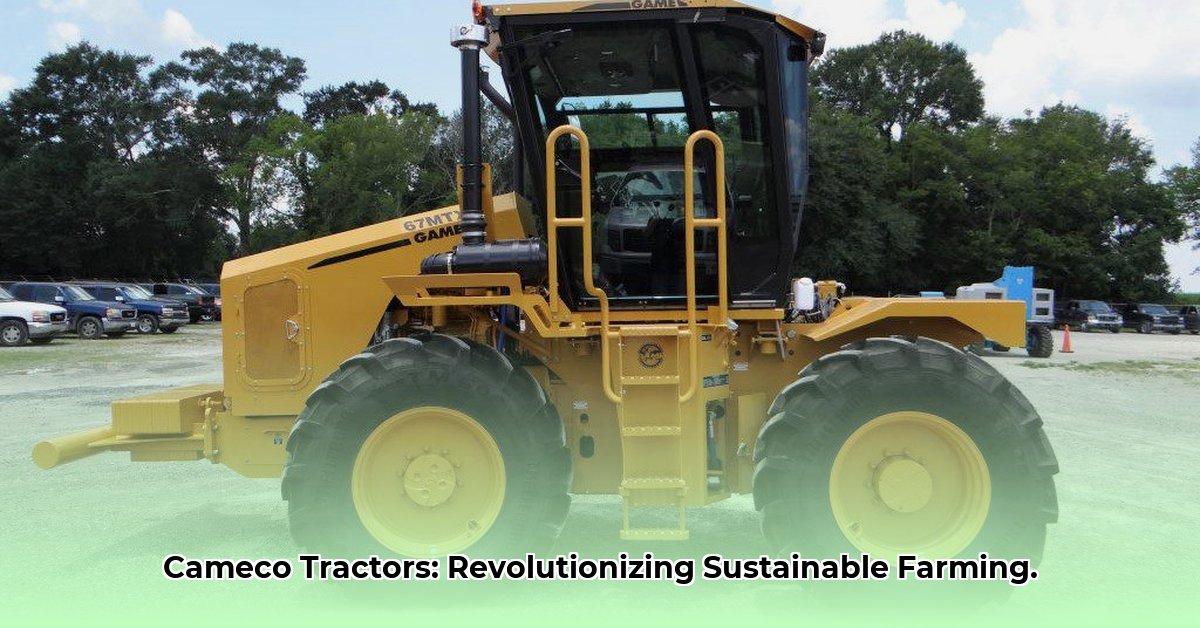
Cameco Tractors: A Legacy in Sustainable Agriculture
The story of Cameco tractors offers a compelling case study in the complexities of sustainable agriculture and the often-unpredictable forces shaping the agricultural machinery market. While not a household name like John Deere, Cameco tractors carved a niche, particularly within sugarcane farming, renowned for their ruggedness and reliability. These weren't simply machines; they were workhorses, deeply valued by those who relied on them. However, their story highlights a critical aspect of sustainable farming: access to specialized equipment. Did Cameco's legacy truly support sustainable farming practices, or did it represent a missed opportunity? For more on tractor history, see this helpful resource.
The year 1998 marked a significant turning point. Deere & Company, a behemoth in the agricultural machinery industry, acquired Cameco. While seemingly beneficial initially, this acquisition ultimately signaled the beginning of the end for the Cameco brand. By 2006, the Cameco name disappeared, a casualty of corporate consolidation and the industry's shift towards larger, standardized equipment. This isn't merely an historical footnote; it sparks crucial discussions about the long-term sustainability of farming practices and the availability of specialized tools.
This raises a crucial question: How does the disappearance of specialized equipment manufacturers like Cameco impact the sustainability of diverse agricultural practices? Farming is not a homogeneous operation. The varied needs of crops, terrains, and farming philosophies require specialized equipment. Cameco tractors perfectly exemplified this, filling a specific gap in the market. Their absence leaves a void, potentially hindering sustainable practices that were previously facilitated by their unique design.
Despite their absence from new equipment dealerships, Cameco tractors haven't entirely vanished. Used models continue to appear on online marketplaces like TractorHouse, a testament to their durability. However, this persistence also underscores a significant challenge: parts availability. Obtaining replacement parts for these older machines is becoming increasingly difficult, directly impacting the long-term sustainability of their use. Furthermore, finding mechanics familiar with these older models is also proving challenging, further aggravating the situation.
The Cameco story exemplifies the broader issue within sustainable agriculture. Large agricultural machinery companies, driven by efficiency and economies of scale, often prioritize standardized equipment. This prioritization may limit options for farmers with unique requirements. The shift towards generalized machinery, while advantageous for mass markets, can potentially hinder sustainable agricultural practices tailored to specific environments and crops. Is this prioritization of standardization sustainable in the long run?
Three Pivotal Points of the Cameco Tractor Story:
- Specialized Equipment and Sustainable Farming: Cameco tractors demonstrate the importance of specialized agricultural equipment in supporting sustainable practices in niche environments.
- The Impact of Corporate Acquisitions: The Deere & Company acquisition highlighted the vulnerability of smaller, specialized manufacturers to larger corporations and its implications for the agricultural landscape.
- Challenges in Parts Availability and Maintenance: The difficulty in procuring replacement parts and finding skilled mechanics for older Cameco tractors exemplifies a significant hurdle for maintaining older but still viable equipment.
Practical Steps for Current Cameco Tractor Owners:
Prioritize Preventative Maintenance (PM): Regular PM significantly extends the lifespan of your Cameco tractor, decreasing the need for repairs and reducing operational costs. A well-maintained tractor is a productive tractor.
Build a Community Network: Connecting with other Cameco owners through online forums or local groups can yield invaluable advice, parts sourcing, and mechanic recommendations. This collaborative approach can overcome challenges faced individually.
Explore Alternative Parts: If original parts are unavailable, consider alternative parts, potential modifications, or resourceful repair techniques that align with the tractor's original design and functionality.
Strategic Upgrades: When cost-effective and feasible, assess the value of component upgrades to enhance efficiency and extend the operational lifespan of the tractor.
The Cameco tractor’s narrative serves as a cautionary tale but also a call to action. It underscores the need for a balanced approach, integrating technological progress with the requisites of sustainable farming practices. How can we sustain farmers’ access to specialized equipment, particularly for smaller and sustainable operations? How do we address the critical issue of parts availability for older, yet functional equipment? These questions require collaboration among researchers, manufacturers, and policy makers to implement sustainable and practical solutions. The future of sustainable agriculture hinges upon addressing these critical challenges.